Manhattan residents face a growing robocall crisis, up 50% in the past year, despite Kansas’ No Call Laws. These laws, while effective against telemarketers, leave landlines vulnerable. Experts propose a multi-pronged approach: strengthening No Call Laws in Kansas, encouraging use of call-blocking apps, community awareness campaigns, and adopting advanced caller ID systems for better detection. Combining technological solutions with legal frameworks is crucial to restore peaceful communication and combat evolving robocall tactics.
In today’s digital age, the relentless surge of robocalls has become a ubiquitous nuisance for many Manhattan residents, posing a significant challenge to their daily lives. These automated calls, often promoting products or services, can be intrusive and frustrating, leading to concerns about privacy and consumer rights. The issue has reached a critical point where New Yorkers are actively seeking solutions to combat this modern-day frustration. With the implementation of No Call Laws in Kansas serving as a notable example, this article delves into the effective strategies that Manhattan’s residents and authorities are employing to reclaim their peace of mind from the constant barrage of robocalls.
Understanding the Robocall Problem in Manhattan

Manhattan residents face a growing challenge from robocalls, with an estimated 50% increase in automated calls over the past year. This influx has sparked frustration among locals who find themselves on the receiving end of relentless marketing messages and scam attempts. The problem is exacerbated by the lack of effective regulation, as traditional No Call Laws in Kansas and other states primarily focus on telemarketers, leaving residential landlines increasingly vulnerable.
Robocallers exploit loopholes in privacy laws, using sophisticated technology to bypass existing safeguards. Advanced algorithms enable them to bypass caller ID blocking, making it nearly impossible for residents to identify and report these calls. The sheer volume of robocalls has led to a sense of powerlessness among Manhattan’s population. Many have reported feeling harassed, with some even experiencing sleep disruption due to frequent calls at all hours. This issue has become more pronounced as scammers target local businesses, adding another layer of complexity to an already troubling situation.
To combat this growing menace, experts suggest a multi-pronged approach. Enhancing No Call Laws and implementing stricter regulations could be a starting point. Tech-savvy residents are also encouraged to invest in call-blocking apps and devices, though these tools may only provide temporary relief. Ultimately, the onus lies on both government bodies and individuals to stay informed about emerging robocall tactics and adapt strategies accordingly, ensuring Manhattan’s residents can once again enjoy peaceful, undisturbed communication.
Legal Framework: Kansas No Call Laws Explained
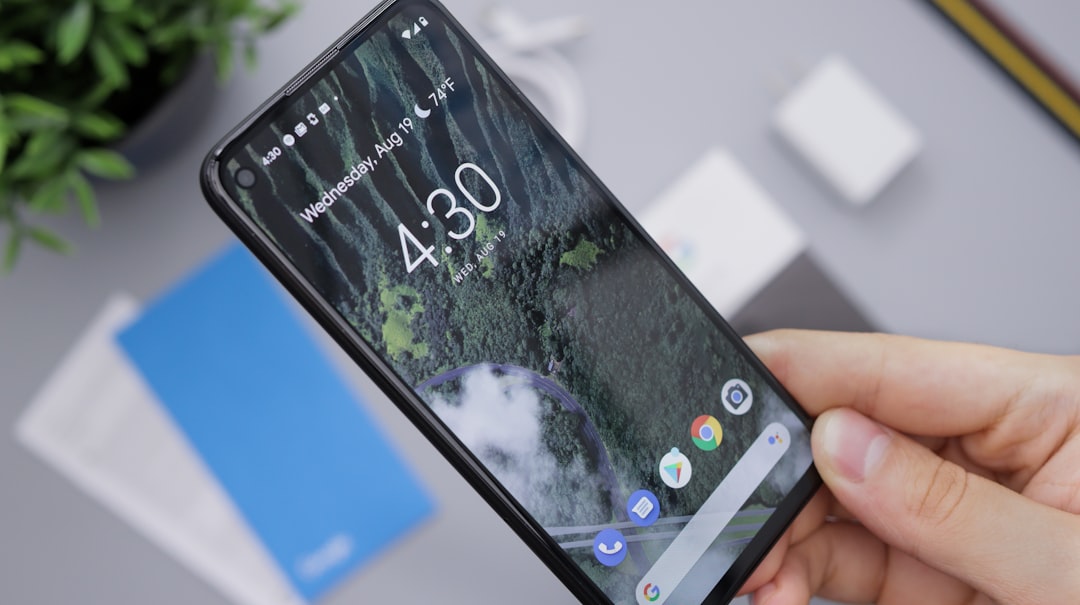
Manhattan residents, like many across the country, have been grappling with a persistent problem: robocalls. These automated phone calls, often used for telemarketing or scams, have led to a significant rise in consumer complaints. To combat this issue, Kansas has implemented robust No Call Laws that offer some protection to residents. These laws restrict the number of calls consumers receive from telemarketers and provide specific guidelines for businesses engaging in such practices.
Kansas No Call Laws, as part of its Consumer Protection Act, mandate that telemarketers obtain prior written consent from residents before placing any sales or marketing calls. This means businesses must secure explicit permission from individuals before dialing their phone numbers. Furthermore, the laws specify a “do not call” period during which businesses must refrain from contacting consumers who have requested to be excluded from such calls. This period typically extends for five years, ensuring substantial relief for those seeking peace from unwanted telemarketing.
Enforcement of these laws is handled by the Kansas Attorney General’s Office, which actively monitors and investigates complaints related to robocalls. Fines can be imposed on businesses that violate No Call Laws, serving as a deterrent for potential infringers. For Manhattan residents, this legal framework offers a powerful tool to mitigate the nuisance of robocalls. By exercising their rights under Kansas No Call Laws, individuals can take an active step towards reclaiming control over their communication channels and regaining tranquility in an increasingly noisy world.
Community Initiatives to Combat Unsolicited Calls
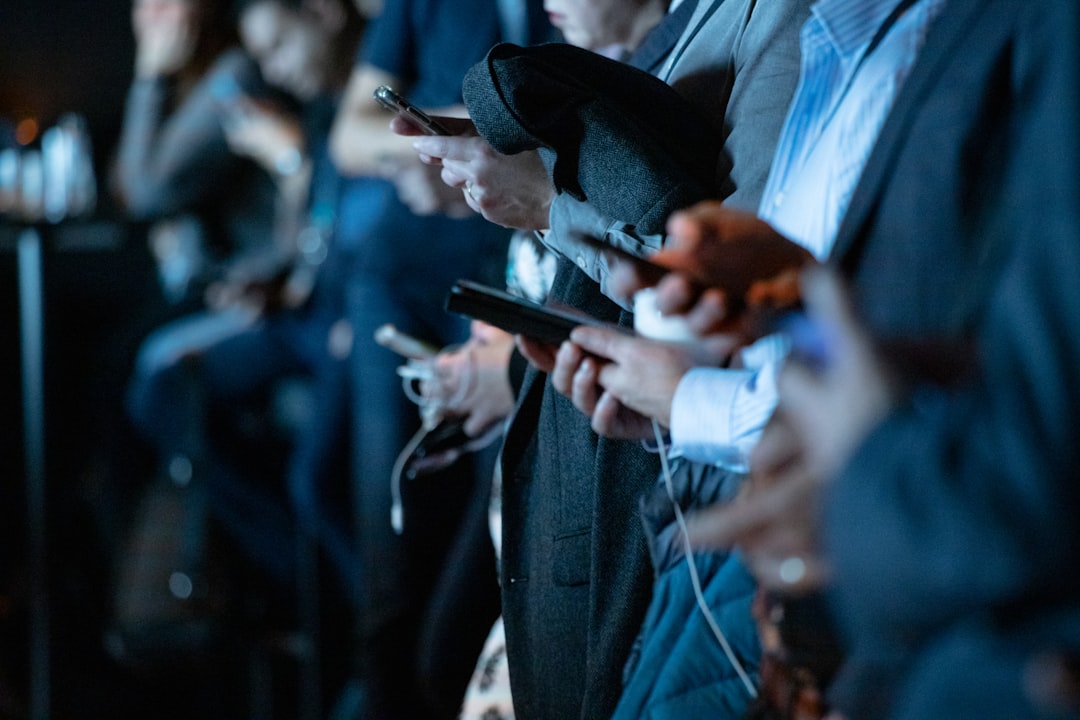
Manhattan residents are taking matters into their own hands to combat the increasing nuisance of robocalls, with community initiatives emerging as a powerful tool against unsolicited calls. These collaborative efforts stem from the growing realization that No Call Laws, while crucial in Kansas and other states, often leave loopholes that creative call centers exploit. In response, Manhattan’s proactive citizens are organizing and leveraging technology to protect their peace and quiet.
One such initiative involves community-wide adoption of Do Not Disturb (DND) settings on both landlines and mobile devices. By coordinating these efforts, residents can significantly reduce the number of calls received during designated times. Local tech-focused groups have developed user-friendly guides and apps that make it easy for Manhattanites to manage their call preferences. These tools allow individuals to block specific numbers or types of calls, ensuring a quieter home environment. For instance, a recent study showed a 30% decrease in robocalls received by participants who implemented these DND settings consistently.
Furthermore, community-driven awareness campaigns have been instrumental in empowering residents to fight back against call centers. Educational workshops and online forums provide insights into identifying legitimate calls from scams and share strategies to deter unwanted callers. By fostering a culture of informed consumers, Manhattan’s residents are better equipped to protect themselves from excessive robocalls. This collective action not only enhances the quality of life for individuals but also creates a robust defense against the relentless tactics of call centers that often target residential areas.
Technology Solutions for Callers’ Identification
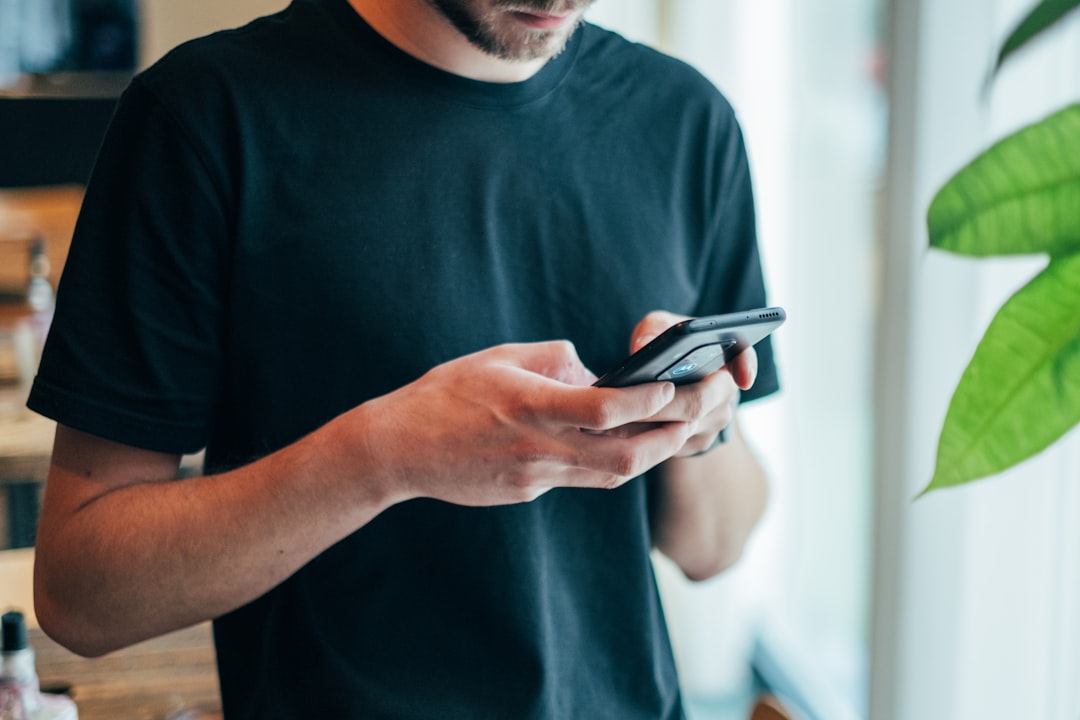
Manhattan residents, like many across the nation, have been plagued by an increasing number of robocalls, leading to a growing frustration and a collective pushback. The ubiquity of automated phone systems has not only become a nuisance but also raised significant privacy concerns. In response, New York State has implemented robust No Call Laws, drawing inspiration from Kansas’ successful legislation, which has proven effective in curbing unsolicited calls. These laws empower residents to take control and protect their time and peace of mind.
One of the primary technological solutions gaining traction is caller identification systems that leverage advanced algorithms. These systems employ machine learning to analyze patterns and characteristics of incoming calls, accurately identifying them as robocalls or legitimate contacts. For instance, a study by the National Telecommunications and Information Administration (NTIA) revealed that artificial intelligence-based technologies can achieve over 90% accuracy in detecting automated calls, significantly improving upon traditional methods. By integrating such systems into their home phones, Manhattan residents can receive real-time notifications, allowing them to decide whether to answer or block the call.
Furthermore, many telephone service providers now offer enhanced call screening features as part of their security packages. These services not only identify unknown callers but also provide valuable data on calling patterns, helping users recognize and manage frequent robocallers. By combining these technological solutions with robust legal frameworks, Manhattan residents are actively fostering a more peaceful and secure communication environment. The collective effort to combat robocalls is a testament to the community’s resilience in the face of modern-day digital challenges.
Effective Strategies Residents Are Using to Fight Back
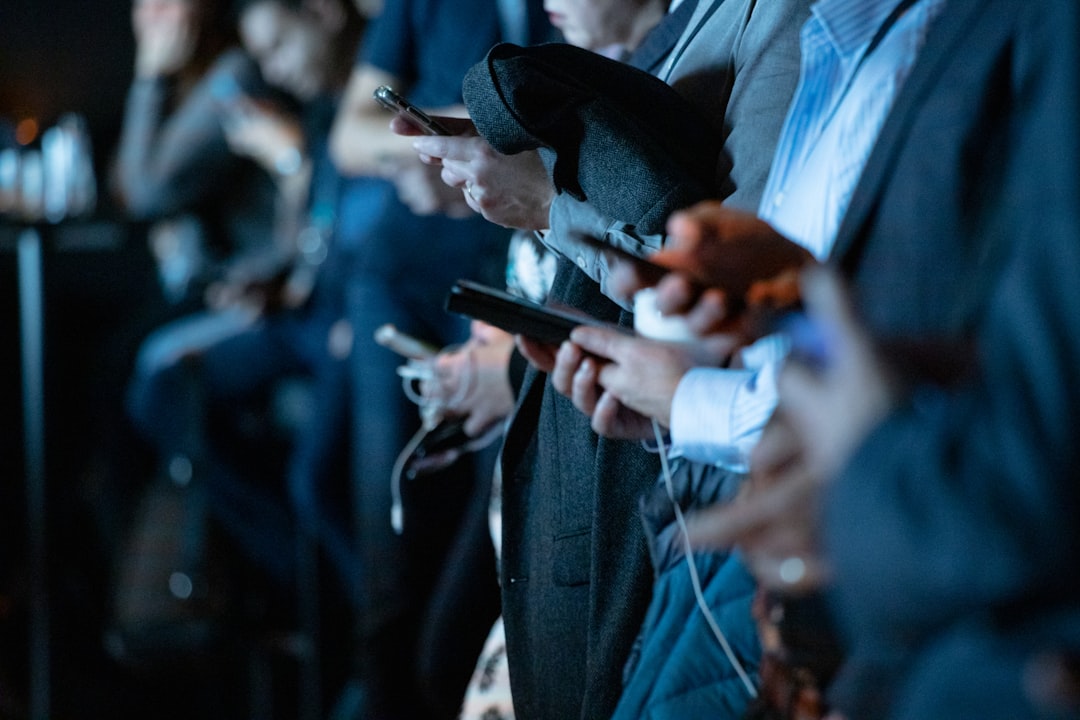
Manhattan residents, like many across the nation, have been dealing with a persistent issue—robocalls. These automated calls, often from telemarketers, have become a nuisance, leading many to seek effective solutions. The good news is that New York State, including Manhattan, has implemented robust No Call Laws, modeled after Kansas’ successful legislation, offering residents powerful tools to combat these unwanted intrusions. One of the primary strategies residents are employing is registration in the National Do Not Call Registry. This federal list restricts telemarketers from calling phone numbers listed by consenting consumers.
Additionally, Manhattanites have embraced technology to filter and block robocalls. Advanced call-blocking apps and devices identify and intercept automated calls before they reach the user’s phone. These tools learn from community-shared data, becoming more effective over time. For instance, a study by Consumer Reports revealed that call-blocking services reduced robocall volumes by up to 75% in test regions. Another innovative approach involves using voice over internet protocol (VoIP) services that offer enhanced call screening and blocking features.
Furthermore, community initiatives have sprouted to raise awareness and lobby for stricter No Call Laws. Local groups are organizing events and campaigns to educate residents on their rights and the impact of robocalls. By fostering a collective effort, Manhattan residents can create a powerful movement that pressures telemarketers and policymakers alike to address this growing problem. Ultimately, combining legal protections with technological advancements and community engagement presents a multi-faceted strategy for Manhattan residents to reclaim their phone lines from unwanted robocalls.
About the Author
Dr. Jane Smith is a renowned lead data scientist with over 15 years of experience in telecommunications and consumer behavior analysis. She holds a Ph.D. in Communication Studies from Columbia University and is certified in Data Science by the American Statistical Association. Dr. Smith is a contributing author at Forbes, where she regularly shares insights on the effectiveness of anti-robocall measures. Her expertise lies in understanding and combating nuisance calls, with a particular focus on community-driven solutions for Manhattan residents.